How to Spot Unauthorised Sellers on Your Amazon Listings
Introduction
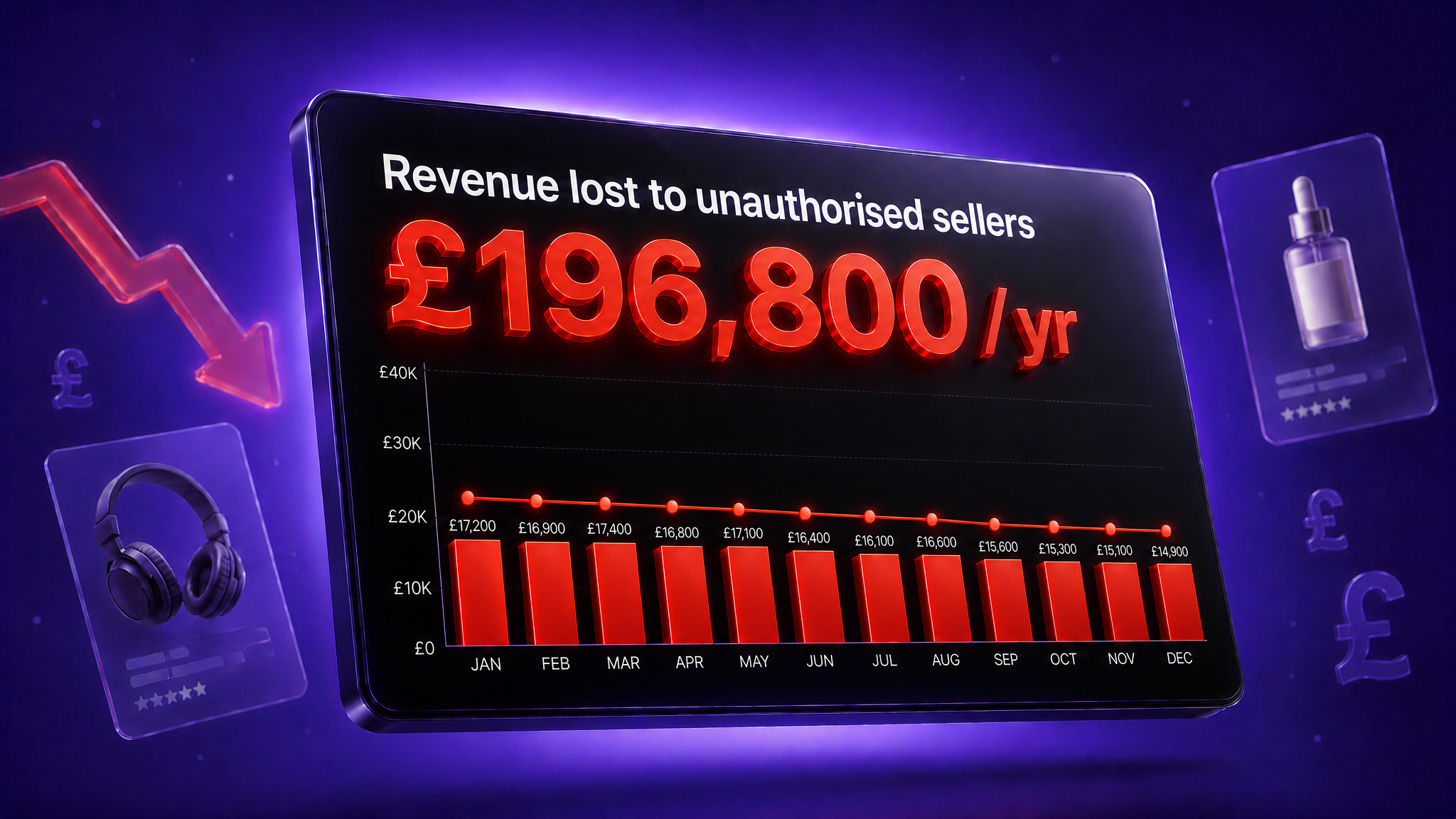
Most brands find out they have an unauthorised seller problem the hard way — a customer complaint about a damaged product they didn't ship, a price that's suddenly 20% lower than it should be, or a Buy Box that's stopped belonging to them. By the time it's obvious, unauthorised sellers on Amazon listings have often already been active for months. The good news is that spotting unauthorised sellers doesn't require expensive software or a legal team. Most of it can be done with nothing more than the Amazon app and 15 minutes of your time.
What we'll cover:
- What counts as an "unauthorised" seller on Amazon
- The five places to check on your own listings right now
- A real example of how unauthorised seller activity unfolds
- Common patterns that signal a bigger problem
- What to do once you've found one
- When DIY monitoring stops being enough
What counts as an unauthorised seller on Amazon?
Not every third-party seller on your listing is a problem. Authorised distributors and retail partners often legitimately sell your products on Amazon. An unauthorised seller is anyone selling your product without your permission or outside the terms you've agreed — commonly:
- Retail arbitrage sellers who bought your product from a shop and relisted it
- Liquidation or overstock buyers reselling at a discount
- Grey market importers selling stock intended for a different region
- Former distributors who are no longer authorised but never stopped listing
Five places to check right now
1. The "Other Sellers on Amazon" section. On your product page, below the Buy Box, look for a link showing other sellers. This lists every seller currently offering your exact listing, along with their price and shipping terms. If you see names you don't recognise, that's your first signal.
2. Seller profile pages. Click into each seller's name to see their storefront. Check their feedback rating, how long they've been active, and what else they sell — a seller with feedback in completely unrelated categories is a common sign of an arbitrage reseller rather than a real distributor.
3. Price history. Use a price tracking tool (several free browser extensions exist) to see how the listing price has moved over the past 30–90 days. Sudden drops that don't match your own pricing changes are a strong signal that a reseller has entered the listing.
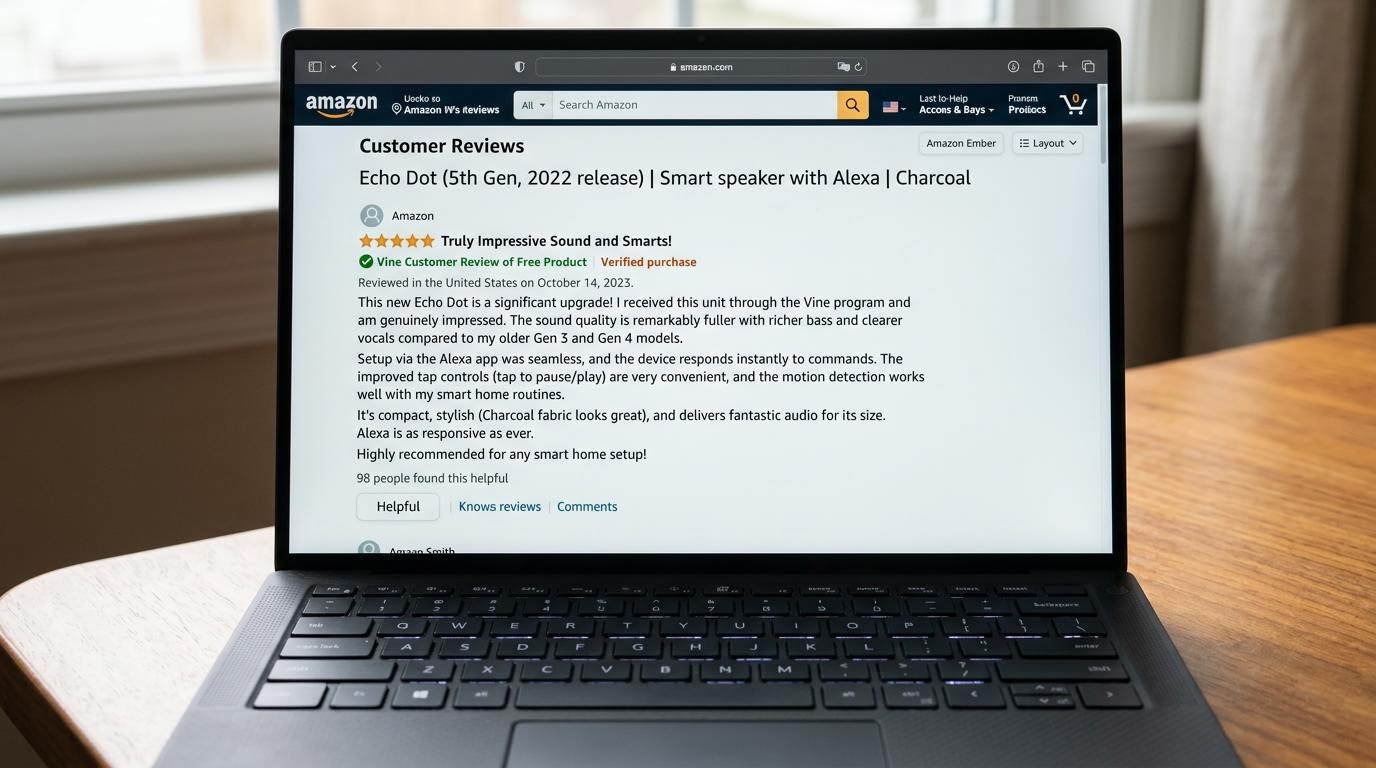
4. Customer reviews mentioning packaging or condition. Reviews referencing damaged packaging, missing seals, or items arriving used can indicate a reseller is sourcing stock through channels you don't control — sometimes returns or shelf-pulls from retailers.
5. Your own sales data vs Amazon's reported units. If your actual wholesale and distribution numbers don't reconcile with what should be selling through Amazon, there may be stock leaking into the marketplace through a channel you didn't intend.
A real example of how this plays out
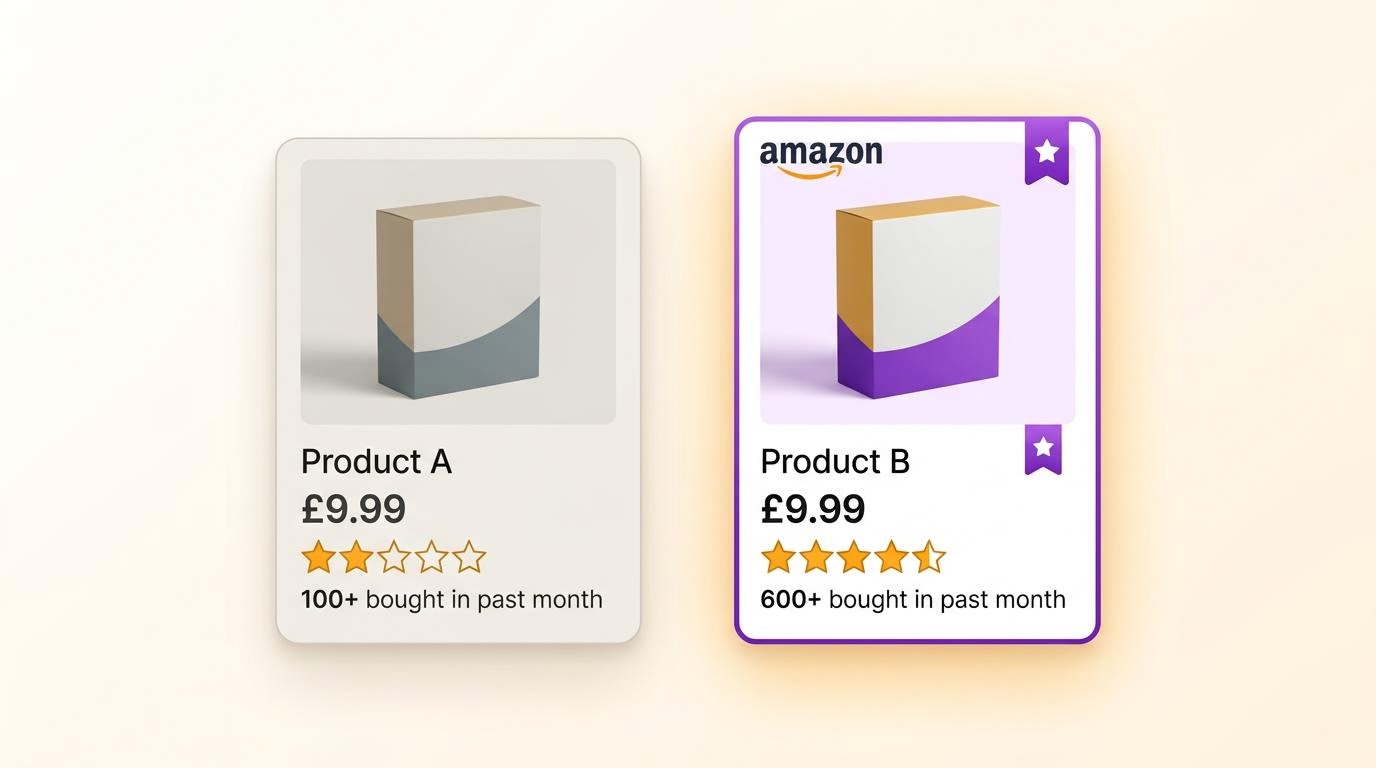
A sporting goods brand sells a £35 product through two authorised UK distributors. Unknown to them, one distributor has been selling excess stock to a clearance wholesaler, who in turn relisted the product on Amazon at £27 — undercutting the brand's own listing by 23%.
By the time the brand noticed (via a customer email asking why the price had dropped), the unauthorised seller had been active for four months, had accumulated 40+ sales, and was holding the Buy Box more than half the time. The brand's own advertising had been driving traffic to the cheaper listing throughout. This kind of scenario is preventable with regular monitoring — but only if you're actually looking.
Patterns that signal a bigger problem
A single unauthorised seller appearing once might be a one-off. Worth treating more seriously if you notice:
- The same seller reappearing after being reported
- Multiple unauthorised sellers all pricing within a similar range, suggesting a shared supply source
- Sellers based overseas listing stock meant for a different regional market
- A consistent pattern of Buy Box loss coinciding with the same sellers' activity
What to do once you've found one
Amazon Brand Registry gives registered brands tools to report unauthorised sellers and counterfeit listings directly. Reports typically need: the seller's name, the ASIN affected, and evidence of the violation (screenshots of pricing, listing content, or product condition).
It's worth knowing upfront that this is rarely instant. Amazon investigates each report, and a seller removed today can sometimes reappear under a different account. This is part of why ongoing monitoring matters more than a one-time clean-up.
When DIY monitoring stops being enough
Checking five listings once a month is manageable. Checking fifty listings across multiple marketplaces every week, while also managing pricing, advertising, and operations, is a different scale of problem — and it's where most internal teams start to fall behind, simply because Amazon isn't the only thing on their plate.
At Ecomlift, we help established brands take back control of their Amazon channel, from reseller management and pricing control to listings and advertising, so you can protect your margins and build a stronger, more stable presence on the marketplace.
Frequently asked questions
Do I need Brand Registry to report unauthorised sellers?
You don't strictly need it, but Brand Registry gives you significantly more reporting tools and credibility with Amazon's enforcement team than an unregistered brand has.
Can unauthorised sellers come back after being removed?
Yes. A seller can sometimes return under a new account, which is why consistent monitoring tends to matter more than a one-off cleanup.
How do unauthorised sellers get hold of my products in the first place?
The most common routes are retail arbitrage (buying from shops or online retailers at a discount and relisting), liquidation stock (overstock sold through clearance channels), and grey market importing (stock intended for one region being sold in another). Tightening distribution agreements and limiting where authorised partners can sell excess stock are the most effective preventative measures.
What is Amazon Brand Registry and do I need it?
Amazon Brand Registry is a free programme for brand owners with a registered trademark. It gives you enhanced reporting tools, more control over your listing content, and access to features like A+ Content and Brand Store. For any established brand selling on Amazon, Brand Registry is worth applying for — it's one of the most effective tools available for protecting your listing and reporting violations.
Can I ask Amazon to remove a seller who is pricing legally but damaging my brand?
Amazon won't remove a seller simply for pricing below your preferred level — pricing itself isn't a violation of Amazon's policies. The most effective routes are MAP enforcement through your distribution agreements and Brand Registry reporting for genuine policy violations (counterfeit claims, listing manipulation etc.).
What's the difference between a reseller and an authorised distributor on Amazon?
An authorised distributor has a formal agreement with your brand allowing them to sell your products, including on Amazon. A reseller has no such agreement — they've acquired your stock independently and are listing it without your permission or oversight. The key practical difference is that you have contractual leverage over a distributor and none over a reseller.
SIGN UP TO OUR
NEWSLETTER
Subscribe to the Sell Smarter newsletter to get weekly e-commerce insights, Amazon best practices and exclusive tips from our expert team. Delivered straight to your inbox.