Amazon Seller vs. Vendor Central: What Every Brand Should Know in 2026
Introduction
Brands should be aware of their options before selling or restructuring on Amazon, in order to take advantage of the world’s largest marketplace, your strategy needs to match your goals. The following guide will explain multiple selling models, including one or two you may have never considered.
Key Takeaways
- Amazon Vendor Central is an invite only programme, you cannot initiate contact and so you must wait for Amazon to reach out to you.
- If using Vendor Central Amazon will require payment terms between 30-120 days, with most falling between 60-90 days.
- There is no seller support when using Amazon Seller Central.
- Your current logistics set up will play a big factor in which route your brand should go. If you do not have D2C operations in will be difficult for you to use Seller Central in its full capacity.
- Brand partnership companies offer an alternative model built on up-front inventory purchasing whilst offering daily channel optimisation without additional fees.
What is the Difference between Amazon Vendor Central and Seller Central?
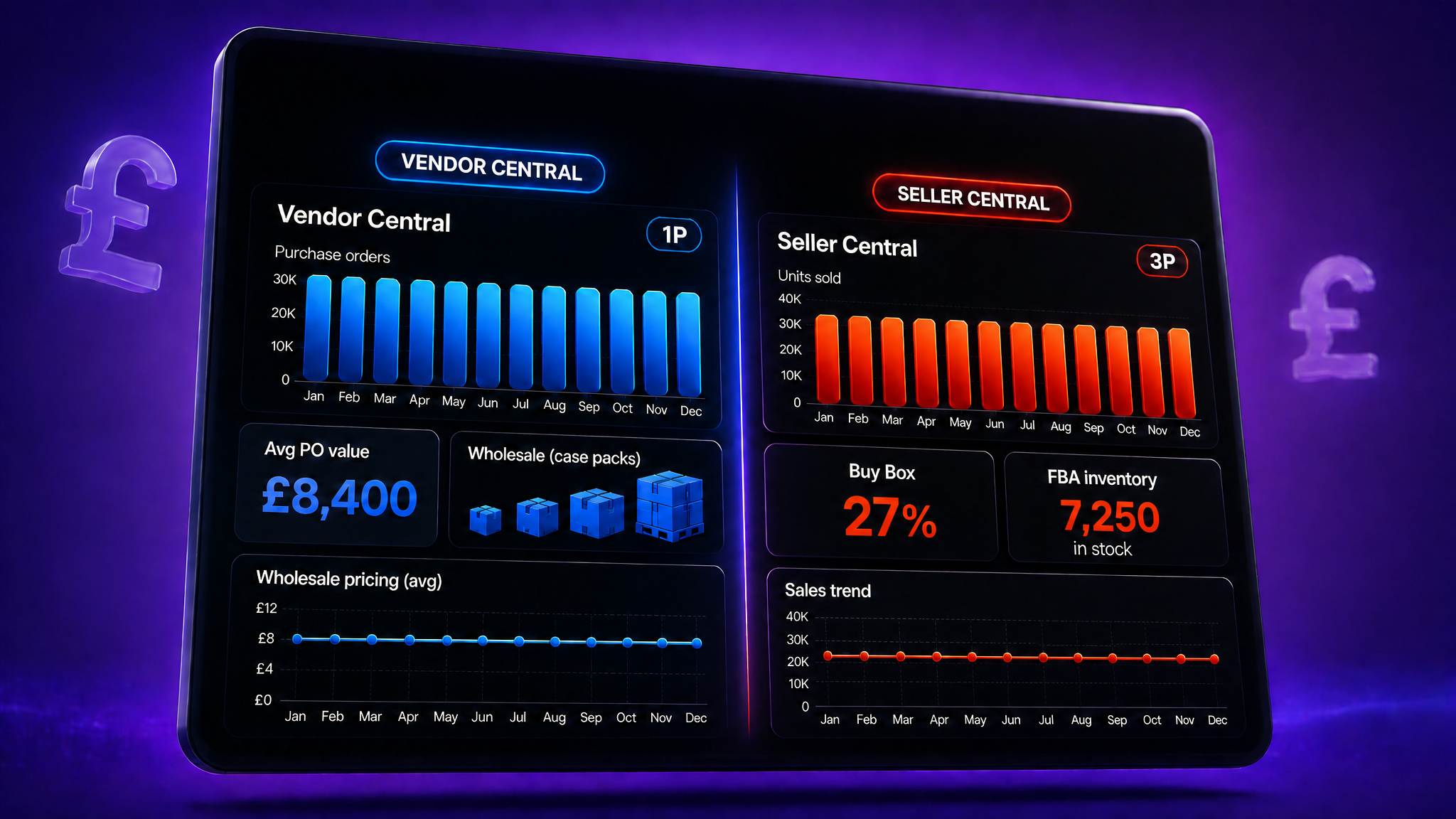
The primary difference is who you are selling to, Vendor Central is B2B where you are selling wholesale to Amazon. Seller Central is B2C, where you sell directly to customers.
Amazon Vendor Central, which is a first-party (1P) relationship. Here you sell directly to Amazon at wholesale prices, they own the inventory and set retail pricing along with fulfilling product orders.
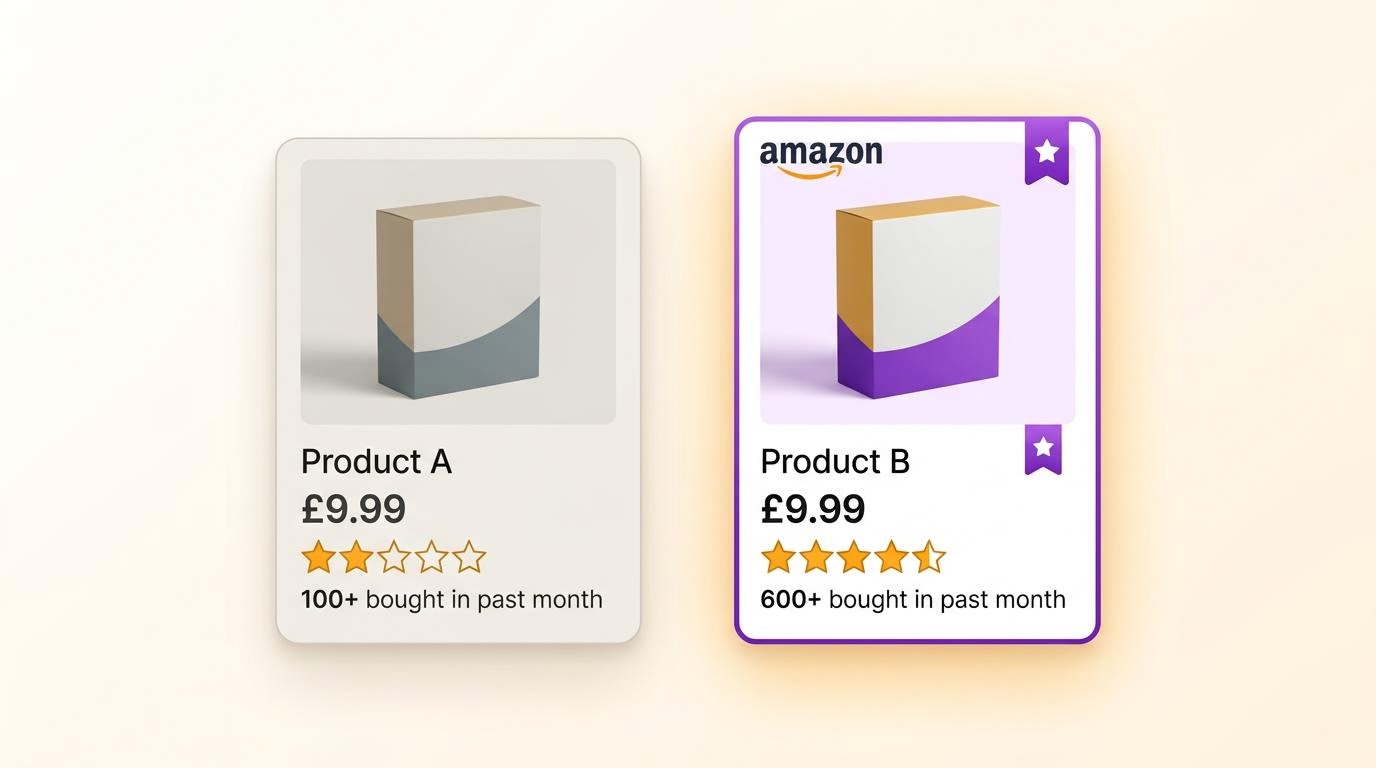
This is an invite-only programme, your products will display the ‘sold by Amazon’ badge under this setup.
Amazon Seller Central, which is a third-party (3P) relationship. You sell directly to customers on Amazon and are responsible for inventory, listings and customer service.
Any brand can use this method, however if your brand is not already listed, you will be responsible for setting up high-converting listings and complying with strict Amazon metrics in order to keep your Amazon seller account health in check.
Amazon Seller vs Vendor Central: Pros and Cons
Now you have a basic idea on these two selling options, we can compare the factors that will influence the final decision in more detail.
Setup
1P. Invite only, received from a Vendor manager to join the platform, you will be assessed before the invite and if deemed suitable they will reach out to you. Things taken into consideration will include market share, current Amazon accounts, overall brand profile and turnover.
3P. For the professional selling account this can be set up anytime by sole traders or registered businesses.
Selling Fees
1P. Amazon will buy from you at pre agreed wholesale prices, this will vary from each brand and will need to be discussed in detail with Amazon, often they will want competitive rates.
3P. Every transaction order will be charged Amazon selling fees, this includes a referral fee, which ranges from 5% to 15% depending on product category and price point. You will also have to factor in shipping costs, as you are shipping to the end consumer. If you will use Fulfilled by Amazon (FBA), you can view the rate card here, if you plan to ship directly from your warehouse (FBM) these costs should be taken into account accordingly.
Shipping Logistics
1P. Send wholesale stock on pallets directly to Amazon warehouse, ideal for most brands who are set up for B2B distribution.
3P. Orders will need to be individually picked and packed from your own warehouse if using FBM, or if using FBA, products will need to be individually labelled using an FNSKU label, and then sent in cartons stacked on pallets directly into Amazon fulfilment centres, for them to pick and pack once orders come in.
Customer Service
1P. Amazon will handle all customer service requests.
3P. The majority of FBA customer service requests are handled by Amazon, with only a handful having to be dealt by the brand. FBM requires much more time consuming service, you will be responsible for all order, delivery and product requests made by customers, including having to chase up lost or undelivered parcels.
Payment Terms
1P. Payment terms can vary between 30 days and 120 days, with most falling somewhere between 60-90 days. These will be negotiated when signing up. Amazon will normally require rebates to be set up as part of the financial structure, these will be set up as percentage discounts based on milestones.
3P. Amazon’s policy is DD+7, which stands for Delivery Date plus 7 Days. This means funds will be available for withdrawal 7 days after they are delivered to the customer, it will take an additional 3-5 business days for the funds to hit your account. Disbursements normally happen every fortnight, some sellers may be eligible for daily withdrawals depending on account metrics.
Account Management
1P. Often new account will be supported by a Vendor Manager for the first 6-12 months, this should cover the period for getting you set up. Beyond this if you require any additional support you will have to pay for an Amazon AVS Manager, the cost for this is usually 3% to 7% in ContraCOGS or in larger additional rebates on invoices.
3P. There is no support provided, only generic guides on topics published through the Amazon Forum platform.
Additional Important Details
1P. Through this model Amazon will often prioritise sales and customer satisfaction over your brand guidelines, it is not uncommon for MAP policies to not be adhered to.
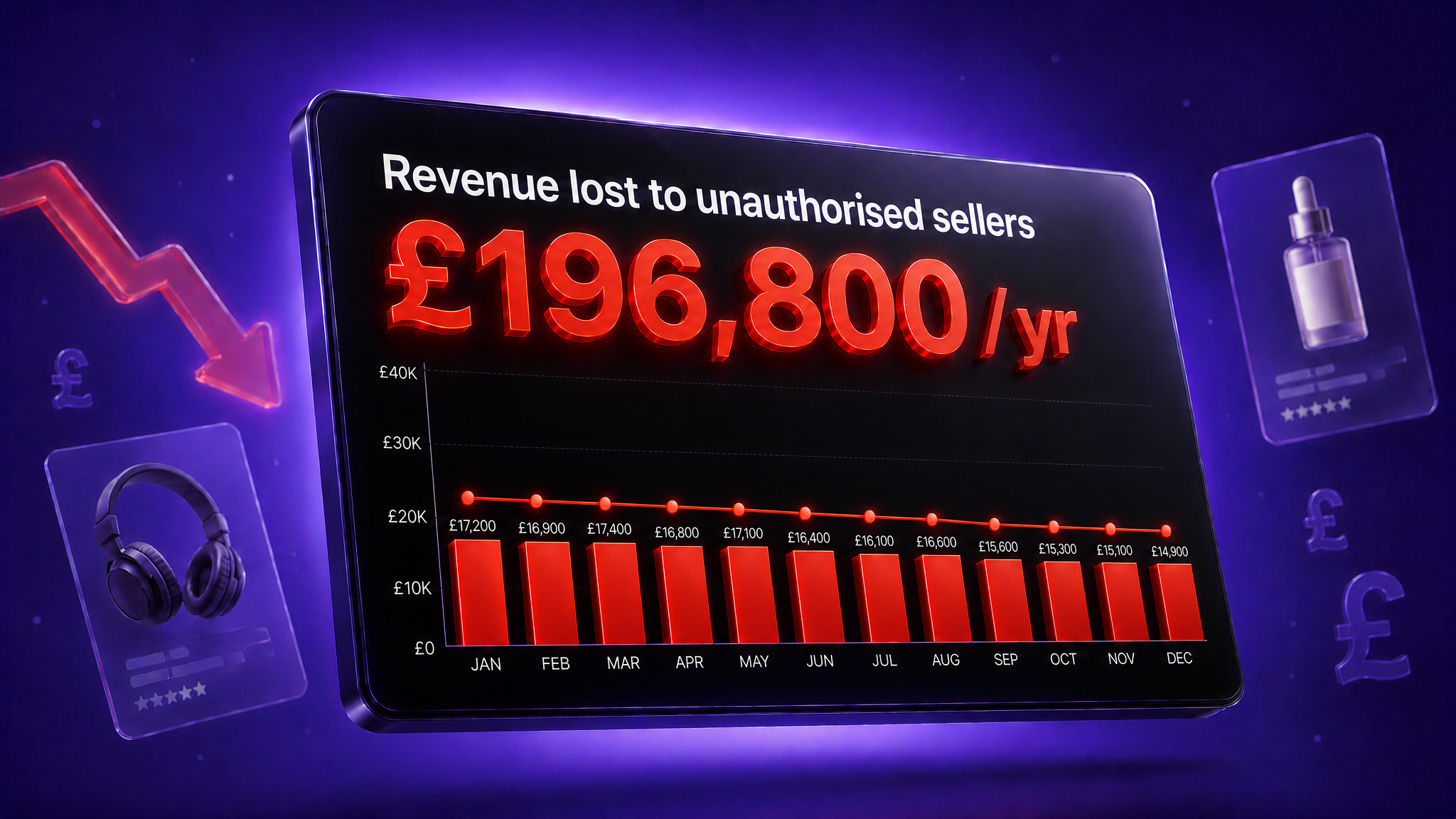
3P. If you don’t have the necessary knowledge and resources to control your Amazon listings, other sellers may start selling on your listings, pricing can become a race to the bottom and brand control can be lost. This can make it unattractive to brands that don’t have in-house ecommerce expertise, a well controlled supply chain is vital for enforcement and keeping margins high.
Other Selling Models in 2026
There are a few options available to brands other than 1P and 3P relationships. Although 1P and 3P are very common, many brands are shifting towards a hybrid approach or using a dedicated Amazon partner.
This gives brands the added benefit of having a specialist team working every day on their Amazon channel, with no added cost. They also provide additional brand security benefits by protecting the brand from unauthorised sellers, counterfeit products and inconsistent branding image.
Other options include using an Amazon agency, going In-House or using a consultant.
Below is a table comparing some of the main models, their features including where each one sits.
Ecomlift is an Amazon exclusive brand partner that helps established brands accelerate their sales and keeps them from falling victim to non-approved sellers.
Ecomlift Exclusive Partner Model
Who We Are
Founded in 2022, we exist to help ambitious brands grow, scale and thrive on Amazon. We’re proud to be ranked among the Top 500 sellers on Amazon UK, a milestone that reflects our ability to drive sales for the brands we partner with.

How it Works
We operate an exclusive Amazon partnership model where we purchase inventory upfront and become the sole authorised seller for the brands we work with.
By investing capital into stock rather than charging fees or retainers, we carry the commercial risk while taking full responsibility for pricing discipline, listing quality and channel performance. Optimising the full account management through Amazon lets us invest for the long term with the brands’ best interest at the centre of what we do.
Our three-step partnership model:
🚚 We Buy Your Stock
📊 We Operate Your Amazon Channel
🚀 We Identify Further Growth Opportunities
You never pay us fees or retainers; our success depends entirely on the performance of the brands we partner with.
We will also help to control the Buy Box, set up a dedicated Amazon storefront for your brand and open up new sales channels you are not yet fully utilising.
You can view our model in more detail here.
Conclusion
In 2026 there are more options available to brands, choosing the correct route should be decided based on the factors you want to prioritise.
A large national brand may be trying to protect their branding and market share as a priority and so regaining control over listings and trademarks will be the first obvious step.
A new quickly emerging brand may prioritise trying to gain market share and Amazon may be a channel used primarily to get eyeballs onto their brand. This route can often be accelerated using outside ecommerce expertise, where they have helped other brands on the exact same journey.
Frequently asked questions
What is an Amazon brand partnership model and how does it differ from using an agency or selling directly?
Under this model a partner will buy inventory up front and then take full responsibility for all aspects of the Amazon channel, the brand will remain in full ownership. Companies using this model make their profit on the product margin, this makes sure both sides are correctly incentivised.
How do you get invited to Amazon Vendor Central?
Vendor central is an invite only programme, you will need to wait for an invitation from a Vendor manager at Amazon. Once they reach out to you you will need to negotiate with them on payment terms, COGS and branding direction.
What should brands look for when choosing an Amazon agency, consultant, or service partner?
They should consider how their Amazon channel is currently set up and the biggest challenges they are facing. This can help to narrow down what exactly it is they need help with and therefore it will be easier to match with one of these providers.
What are the pros and cons of managing your Amazon channel in-house versus outsourcing it?
Managing In-House can be beneficial, especially for larger brands with current ecommerce expertise, or if they have the option to hire to improve their internal team. However, for many brands it can become a distraction and utilising another company can allow them to continue to grow their brand on all fronts.
How do you access and manage your Amazon Vendor Central account in the UK?
This can be done via the Vendor Central platform once you have been invited and enrolled by a manager from Amazon.
What are the alternatives to Vendor Central and Seller Central?
The main alternatives are using a dedicated in-house team, an outsourced agency or a brand partnership company. Each offers different options and should all be considered depending on each brand's end goal.
SIGN UP TO OUR
NEWSLETTER
Subscribe to the Sell Smarter newsletter to get weekly e-commerce insights, Amazon best practices and exclusive tips from our expert team. Delivered straight to your inbox.